Burn Your Fallback Saves for Bold Commitment
Burn Your Fallback Saves for Bold Commitment
Most people don’t fail because they lack talent. They fail because they keep a secret escape hatch, and the commitment never gets sharp enough to hold. If you can always back out, your brain will eventually find a reason to.
That’s the whole problem with “maybe” goals. They feel safe, but they also invite procrastination, self-sabotage, and the kind of mental friction that turns simple actions into endless debates. Burn the boats, and suddenly the mission gets real.
Here’s the thing: this isn’t about being reckless. It’s about removing the optional paths that keep you half-committed, so your actions finally match the story you keep telling yourself. In other words, you stop playing with extra lives and start playing to win.

The moment you remove the escape hatch, your focus gets louder and your excuses get quieter.
What does it mean to burn your fallback saves in commitment?
It means you stop treating your goal like a side quest you can abandon whenever it gets awkward. You remove the easy exit routes, so your behavior has to line up with your stated priorities. That’s what real pre-commitment looks like: fewer escape hatches, more follow-through.
Think of fallback saves like extra lives in a game. They can make you feel safer, but they also make you play smaller. When you know you can retreat, delay, or pivot at any moment, your resolve softens. You start negotiating with yourself before the work even begins.
And that’s where decision fatigue creeps in. Every open door becomes another question: Should I really do this today? Is this still the right plan? What if I wait until I know more? Those questions sound responsible, but most of the time they’re just polished procrastination. Optionality creates mental friction, and mental friction kills momentum.
Burning your fallback saves doesn’t mean you ignore reality. It means you choose a path, then make that path the only path that matters. If you want to build a skill, launch a project, get fit, or finally stick to a routine, the first power-up is clarity. Not more options. Fewer.
That’s why commitment feels uncomfortable at first. It takes away the comforting fantasy that you can stay safe and still make progress. But once the escape hatch is gone, urgency shows up. Focus gets cleaner. Your next move becomes obvious instead of negotiable.
💡 Commitment gets easier when the choice gets smaller
If you keep revisiting whether you should do the thing, you’re not lacking discipline — you’re leaving too many options on the table. Cut one escape route today: cancel the backup plan, set the deadline, or tell one person you’re in. A smaller choice set creates stronger follow-through.
This is also why identity-based habits work. When you stop saying, “I’m trying to be consistent,” and start acting like someone who follows through, the game changes. You’re no longer waiting to feel ready. You’re building a character who finishes quests because that’s who they are.
Why does having an exit plan make the mind rationalize quitting?
Because your brain loves comfort more than progress. The moment an escape hatch exists, it starts negotiating: “You can quit now and try again later,” or “This isn’t the right time anyway.” That’s not wisdom. That’s your mind protecting you from discomfort by rewriting the story in real time.
Here’s the thing: optional paths lower the cost of backing out, so your commitment feels softer. When the stakes are low, urgency drops. And when urgency drops, follow-through gets sloppy. You don’t need a dramatic failure for this to happen — just a few quiet delays, a few “I’ll start Monday” loops, and suddenly the quest is still in your log three weeks later.
This is why self-sabotage often looks reasonable from the inside. If you’ve got a backup plan, your brain can dress up procrastination as prudence. “Maybe I should wait until I have more money.” “Maybe I should keep my options open.” “Maybe this goal is too risky.” Those thoughts feel careful, but they usually just create mental friction and decision fatigue. Every extra exit adds another round of debate.
Think of it like a hidden teleport scroll in a dungeon. You say you’re going to face the boss, but the scroll sits in your inventory whispering, “You can leave anytime.” That whisper matters. It makes you less likely to commit fully, less likely to prepare properly, and more likely to bail the second the fight gets ugly. No wonder half-effort shows up when pressure rises.
💡 Remove one escape hatch before the work starts
Pick one goal and delete one obvious fallback today. If you’re launching a project, stop “keeping it casual” as a backup. If you’re training for a race, tell one person your date and post the plan. The goal is not recklessness. It’s reducing the number of options your brain can use to negotiate with itself.
The best commitments are clear enough that your identity has to catch up. When the path is fuzzy, excuses multiply. When the path is clear, you stop asking whether you feel like doing the work and start asking how to do it well. That shift is where resolve shows up.
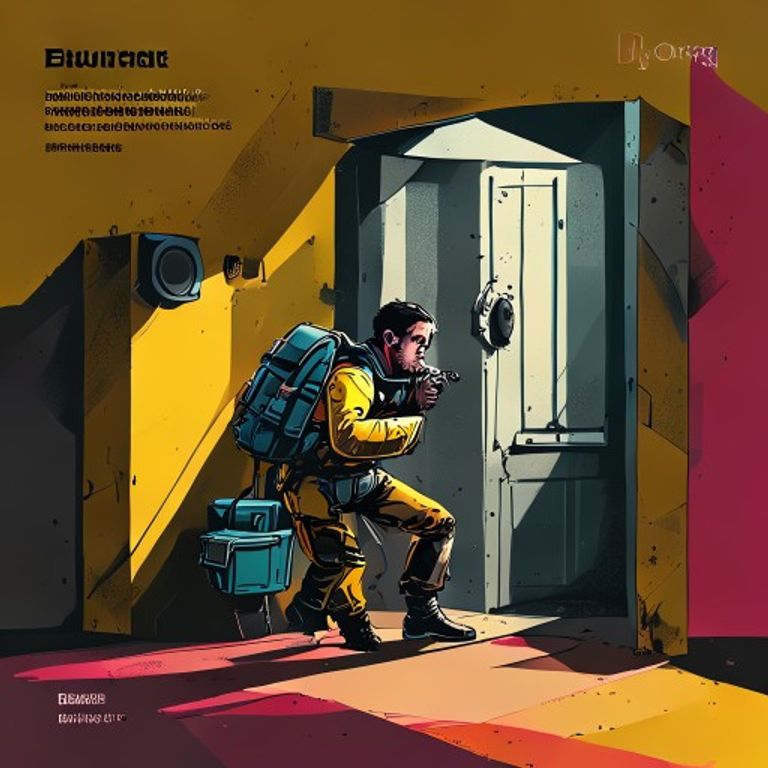
The more exits you keep open, the easier it is to abandon the fight before you’ve earned the win.
If you want stronger follow-through, stop asking how to make quitting easier. Ask what would make quitting awkward, costly, or unnecessary. That’s how a commitment device works in real life: fewer optional paths, less overthinking, more action. Burn the boats, and the mind has less room to bargain.
How do you burn the boats without being reckless?
You do it by making the commitment hard to reverse, not by making the decision stupid. That’s the difference between commitment and chaos. A smart burn the boats move removes escape hatches after you’ve checked the map, packed the gear, and confirmed the quest is worth the cost.
Here’s the thing: not every choice deserves the same level of finality. Some decisions are reversible, like deleting social apps for 30 days or moving your phone charger out of the bedroom. Others are irreversible, like quitting a job with no runway or signing a lease that drains your savings. If you treat both like the same kind of move, you either freeze or blow up your own campaign.
💡 The rule: make the decision first, then remove the exits
If a choice is reversible, use it to reduce temptation fast. If it’s irreversible, slow down and pressure-test it with a deadline, a budget, and a worst-case scenario. That’s how you get resolve without turning self-sabotage into a lifestyle.
Think like a party leader locking the squad into a dungeon. You don’t slam the gate shut before checking gear, supplies, and the quest objective. You confirm the healer has potions, the tank has armor, and everyone knows the boss fight. Then you cut off the retreat.
What should you remove before you commit?
Start with the stuff that creates mental friction. Turn off app notifications for one week. Put your credit card behind a password manager if impulse spending is part of the problem. Block two 90-minute focus windows on your calendar before the day starts, not after lunch when your energy is already dead.
Then kill optional paths. If your goal is writing a book, don’t keep three backup projects “just in case.” Pick one manuscript, one daily word count, one deadline. If your goal is a fitness reset, don’t keep a menu of five workout plans. Choose one program for 30 days and stop renegotiating with yourself every morning.
Use a pre-commitment checklist before you burn the boats
- What is the exact goal? “Get healthier” is vague. “Train 4 times a week for 8 weeks” is a quest.
- What is reversible? You can cancel subscriptions, mute apps, or set a 30-day trial commitment.
- What is irreversible? Moving cities, quitting a job, or spending serious money needs more review.
- What deadline forces action? Pick a date, not a mood.
- Who will hold you accountable? One person is enough if they’ll actually ask for proof.
A simple example: someone wants to launch a side project but keeps “researching” for six months. The fix is not more motivation. It’s a commitment device: choose one idea, set a 14-day build deadline, remove all other project tabs, and tell one friend you’ll send a demo on Friday. Suddenly procrastination has less room to breathe.
That’s the sweet spot. You’re not gambling. You’re reducing decision fatigue, tightening focus, and making follow-through the default. The boats are gone, but only after you’ve confirmed the island is worth taking.
What happens when you commit fully and stop keeping one foot out the door?
You get sharper fast. When commitment is real, your brain stops wasting energy on “maybe” and starts spending it on execution. That means less decision fatigue, less self-sabotage, and a lot more follow-through.
Think of it like equipping a legendary class build. If you keep swapping gear every five minutes, you never learn the build. But once you lock in, your stats start to make sense. Your actions line up. Your identity gets clearer because you’re no longer auditioning for the role — you’re playing it.
When you stop keeping escape hatches open, your energy stops leaking into backup plans and starts going into real progress.
Here’s the thing: fewer options usually means better results. A person with three backup paths spends more time comparing than doing. A person with one clear path can measure progress cleanly — 30 minutes of deep work, 5 workouts a week, 1 sales call block, 1 finished chapter. That clarity makes wins visible, which makes momentum easier to build.
💡 Make commitment measurable
Pick one behavior you can repeat for 14 days without negotiation. Example: write 300 words before checking email, train 4 days a week, or make 10 outreach messages daily. Small, repeatable proof beats big promises every time.
The long-term payoff is bigger than productivity. Total commitment builds confidence because you keep seeing yourself do hard things. That changes your self-image. You stop thinking, “I hope I can stick with this,” and start thinking, “I’m the kind of person who follows through.” That’s identity-based habit formation in plain English.
And yes, the risk feels higher at first. But so does the reward. Once you remove the escape hatch, urgency shows up. Focus tightens. Discipline gets simpler because you’re not negotiating with yourself all day. You’re just moving forward.
💡 The real win
Commitment doesn’t just change what you do. It changes who you believe you are. That’s why burning fallback saves works: it turns effort into identity, and identity into consistency.
That’s the core of commitment: not drama, not recklessness, just a clean decision backed by action. Burn the boats, and the path gets clearer because you’re finally walking it all the way through.
What does it mean to burn your fallback saves in commitment?
Burning your fallback saves means removing the easy exits that keep you half-in, half-out. It’s the moment you stop treating commitment like a trial run and start treating it like a decision.
That doesn’t mean being careless. It means making the choice clear enough that your brain can’t keep negotiating with itself every time things get uncomfortable. Once the escape hatch is gone, your energy stops leaking into “maybe later” and starts going into action.
💡 The real shift
Commitment gets stronger when it has edges. If you want different results, you need fewer hidden exits and more clear stakes.
When the backup plan disappears, your focus gets sharper fast.
Why does having an exit plan make the mind rationalize quitting?
Because your brain loves efficiency, and an exit plan gives it an easy story: “This is hard, so I can leave now and still be smart.” That story feels rational in the moment, but it usually just protects comfort.
The problem isn’t that you have doubts. The problem is that a ready-made escape route turns every rough patch into a debate instead of a test. You’re not deciding whether the goal matters — you’re deciding whether discomfort gets to veto it.
How do you burn the boats without being reckless?
You don’t burn the boats with blind faith. You do it with structure: savings, timelines, accountability, and a plan for the real risks, not the imaginary ones.
A good rule is to remove optional exits, not essential safety. For example, quitting a side project because it got hard is a fallback save; building a 90-day plan, setting weekly checkpoints, and telling one person your deadline is commitment with teeth.
Real commitment isn’t reckless. It’s decisive, structured, and hard to talk yourself out of.
💡 A safer way to burn the boats
Replace “If this gets hard, I can quit” with “If this gets hard, I’ll adjust the plan.” That one sentence keeps you from confusing discomfort with danger.
What happens when you commit fully and stop keeping one foot out the door?
You get your attention back. Instead of spending energy on escape fantasies, you start solving the actual problem in front of you.
That’s where momentum shows up. Full commitment doesn’t make the work easier, but it makes you harder to shake, and that changes everything from consistency to confidence.
Conclusion
The biggest takeaway is simple: commitment gets weaker every time you keep a hidden exit. If you want real progress, you have to burn your fallback saves and make the goal worth showing up for when motivation disappears.
That’s not about being extreme. It’s about being clear enough that your next move is obvious, even on a bad day. Once you do that, you stop playing defense against your own excuses and start moving like someone who’s already chosen the quest.
Ready to Turn Your Goals Into Quests?
RPGLife turns your daily goals into missions, tracks your XP, and helps you build commitment you can actually stick to. Join thousands of people already leveling up real life with clearer goals and stronger follow-through.
Start Your AdventureFrequently Asked Questions
What does “burn your fallback saves” mean in commitment?
It means removing the easy escape routes that let you quit the second things get uncomfortable. You’re not eliminating safety; you’re eliminating the habit of treating quitting like a plan.
How do I commit fully without being reckless?
Build guardrails first: budget, timeline, checkpoints, and accountability. Recklessness ignores risk, while real commitment handles risk on purpose.
Why do I keep quitting when I have a backup plan?
Because your brain sees the backup plan as permission to stop. When quitting feels easy, your mind will keep offering it whenever the work gets difficult.