Hero's Journey: Turn Life Disruption Into Growth
Hero's Journey: Turn Life Disruption Into Growth
Your life can look perfectly normal at 8:00 a.m. and completely reroute by lunch. That’s the part most people miss about the hero's journey: the story doesn’t start when everything is under control — it starts when life disruption hits and the old script stops working.
A breakup, a layoff, a diagnosis, a move, a failed launch, a friendship ending out of nowhere — these moments feel like damage at first. But they’re also the first crack in the wall, the opening where meaning, resilience, and real transformation can finally get in.
Here’s the thing: you don’t need a cape, a prophecy, or a dramatic soundtrack. You need a way to read the chaos without losing yourself in it. This article breaks down the hero's journey in real life, starting with the moment your ordinary world gets smashed and your next quest quietly begins.
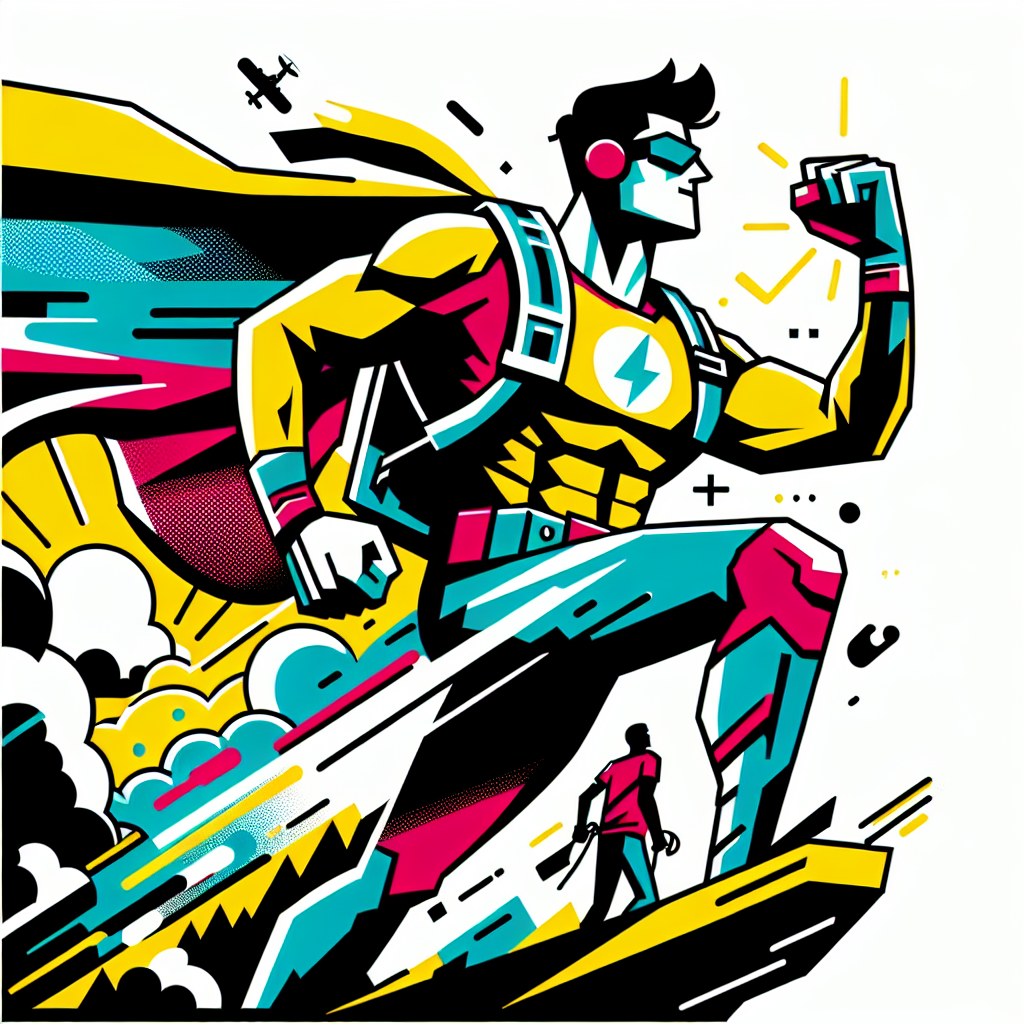
The story usually feels like a setback before it feels like a quest. That’s normal.
What does the hero's journey mean in real life?
In real life, the hero's journey is not a mythic checklist. It’s a pattern: ordinary life, disruption, response, and transformation. You start in the village, so to speak, where your routines, identity, and expectations feel stable enough. Then something hits — a catalyst event that knocks the floor out from under the version of you that was cruising on autopilot.
That’s why people instinctively search for meaning after a sudden change. Your brain hates random pain. It wants a narrative arc, a reason, a map. When a life disruption shows up, you’re not just asking, “What happened?” You’re asking, “Who am I now?” That’s identity shift territory, and it’s where self-discovery actually begins.
Classic adventure stories work because they mirror this exact pattern. The hero doesn’t leave home because everything is great. They leave because the ordinary world stops being enough. Something breaks, and the break becomes the call to adventure. The same thing happens when your job disappears, your relationship ends, or your body forces you to pay attention. The plot twist is the threshold crossing.
That’s also why setbacks feel so personal. A failed exam, a missed promotion, a business that stalls, a friendship that fades — these aren’t just events. They press on your sense of identity. They force a choice: stay inside the old story, or step into a new one with different rules. That choice is the real boss battle.
And once you see it, everyday life looks different. The person who gets rejected from their dream program and starts learning a new skill set? Hero's journey. The parent who gets laid off and rebuilds their finances one mission at a time? Hero's journey. The runner who gets injured and has to reinvent their training, patience, and discipline? Same structure, different costume.
💡 Your first checkpoint is perspective
When life gets hit hard, don’t ask only, “How do I get back to normal?” Ask, “What is this disruption asking me to become?” That single question turns chaos into a quest, and it keeps you from wasting energy trying to restore a world that no longer exists.
The result? You stop seeing disruption as proof that your story is falling apart. You start seeing it as the moment the story gets interesting. Not easy. Not neat. Just honest. And that honesty is where transformation starts to earn its XP.
Why is life disruption the true call to adventure?
The smash is the moment your ordinary world stops cooperating. A layoff, breakup, diagnosis, move, failure, or sudden responsibility doesn’t just interrupt your routine — it breaks the map you were using to make sense of life. That’s why life disruption is such a powerful call to adventure in the hero's journey: it forces you out of autopilot and into choice.
Here’s the thing. Comfort can keep you stuck longer than pain ever will. When everything is predictable, you can coast on old habits, old identity, and old assumptions. But a catalyst event changes the rules fast. You can’t keep playing the same build when the boss has changed phases.
That discomfort is not random. It creates friction, and friction creates movement. You start asking sharper questions: What matters now? What’s broken? What can I actually control? That’s the beginning of meaning-making. It’s also where resilience gets built, not by pretending the disruption is fine, but by adapting to what’s real.
When the map stops working, the quest begins. Disruption is often the first sign you’ve crossed into a new narrative arc.
Think of a job loss. On paper, it looks like a setback. In practice, it can expose a stale career path, force a long-delayed identity shift, and push you toward work that fits who you are now. Same with a breakup. It hurts, sure, but it can also reveal how much of your life was built around someone else’s expectations.
💡 Use disruption as a decision point
When life gets shaken up, write down three things in 10 minutes: what changed, what it’s demanding from you, and what you’re avoiding. That simple exercise turns vague stress into a clear quest log. You stop reacting to the chaos and start choosing your next move.
The call to adventure rarely sounds heroic in the moment. It sounds like bad timing, bad news, or a plan falling apart. But that’s exactly the point. The threshold crossing begins when you stop treating disruption like an error and start treating it like an invitation to a different world with new rules.
How do you respond when your world gets smashed?
The first reaction to a life disruption is usually not wisdom. It’s denial, fear, anger, or full-on confusion. That’s normal. A hero's journey starts messy because your brain is trying to protect the old map while your life has already changed routes.
Here’s the thing: you do not need to solve your whole future in the first 24 hours. You need to stop the spiral, get your bearings, and take one clean step. That’s how you turn life disruption into something you can actually work with instead of something that runs you.
💡 Your first job is stabilization, not reinvention
When the smash hits, ask three questions in order: What happened? What do I know for sure? What needs attention in the next 24 hours? This keeps you out of panic mode and back in protagonist mode.
Start with your stats. In RPG terms, check your health, energy, money, time, and support. If you got bad news, slept four hours, and haven’t eaten, you are not ready for a major decision. Eat something. Drink water. Sleep if you can. Text one person who won’t make it worse.
Then check your inventory. What do you already have that helps? A savings cushion. A résumé. A therapist. A friend with a truck. A notebook. A day off. People underestimate how much stability comes from naming resources instead of staring at the loss.
Now pick one next objective, not ten. If your job disappeared, the objective is not “fix my career forever.” It’s “update my résumé tonight and send it to two people tomorrow.” If a relationship ended, the objective is not “be healed by Friday.” It’s “make the apartment feel safe again and stop rereading the texts.”
From victim mode to active protagonist mode
Victim mode says, “This happened to me, so I’m stuck.” Protagonist mode says, “This happened to me, and now I choose my next move.” That shift matters because meaning-making starts when you stop asking only, “Why me?” and start asking, “What now?”
A simple rule helps: no major life decisions while flooded. Give yourself 12 to 48 hours for emotional weather to settle before making the call that changes the chapter. You’re not being passive. You’re crossing the threshold with your eyes open.
That’s how resilience actually looks. Not smiling through it. Not pretending it’s fine. Just taking the smashed pieces, naming what’s true, and choosing the next objective like someone who knows the quest isn’t over.
How can you turn disruption into your next level?
Here’s the thing: the goal is not to “get back to normal.” The hero’s journey rarely works that way. A true life disruption changes the map, and if you treat it like a dead end, you miss the XP hidden inside the wreckage.
Start by asking one better question: what did this event expose? Maybe your job loss exposed how tied your identity was to your title. Maybe a breakup exposed that you’ve been playing a role instead of telling the truth. That’s not just pain. That’s meaning-making material.
Disruption becomes easier to carry when you treat it like a quest log, not a verdict.
Name the new identity before you chase the new goal
Goals matter, but identity comes first. If you say, “I want to run a marathon,” that’s fine. But “I’m someone who keeps promises to myself” is stronger. Identity shift is what turns a temporary burst of motivation into actual transformation.
Make it concrete. After a layoff, you might choose: “I’m rebuilding as a person who can adapt fast.” After a health scare, maybe: “I’m the kind of person who protects their energy.” That sentence becomes your new quest banner.
💡 Build the next level in 10-minute chunks
Pick one daily action that matches your new identity and make it tiny enough to survive a bad day. Ten minutes of job searching. One walk. One page of journaling. One honest message. Small actions look unimpressive, but they’re how resilience gets trained.
Turn the setback into a system
The fastest way to waste a catalyst event is to wait for inspiration. Build a system instead. If the disruption was financial, set a weekly money review every Sunday for 20 minutes. If it was emotional, schedule two check-ins a week with someone who tells the truth. If it was career-related, block three 45-minute “quest sessions” for skill-building.
That’s how the hero’s journey becomes real life. Not through one dramatic speech. Through repeated proof that you can move forward even when the old story is gone. Every rep says, “I’m still here, and I’m leveling up.”
The result? You stop seeing disruption as damage and start seeing it as direction. That’s the shift. That’s the next level. And once you make it, the same event that once felt like a collapse becomes the start of your strongest chapter.
The hero's journey starts the moment your plan stops working. That sounds brutal, but it’s also the point: disruption strips away the fake version of control and shows you what actually matters. Once the smash happens, you’re not broken — you’re standing at the doorway to your next level.
That’s the real shift. The hero's journey isn’t about avoiding chaos; it’s about responding to it with enough clarity to move forward anyway. Treat the smash like a call to action, and you stop being a victim of the story and start becoming the person who writes the next chapter.
Ready to Turn Your Goals Into Quests?
RPGLife turns your daily goals into missions, tracks your XP, and helps you level up your real life one clear move at a time. Join thousands of players already turning routines, setbacks, and big life shifts into progress they can actually see.
Start Your AdventureFrequently Asked Questions
What does “the smash is your call to adventure” mean in the hero's journey?
It means the disruption is the moment that forces change. Instead of seeing the smash as random damage, you treat it as the event that pushes you out of old patterns and into growth.
How do you turn life disruption into growth?
Start by naming what changed, what’s still in your control, and what one move you can make today. Growth comes from action, not perfect clarity, so focus on the next step instead of the whole map.
Why is a setback often the start of a hero's journey?
Because setbacks expose the gap between who you were and who you need to become. That pressure creates momentum, and if you respond well, the setback becomes the exact event that levels you up.